Ibadan – Nigeria isn’t just a country; it’s a vibrant tapestry of cultures, languages, and cuisines. Each dish tells a story — of tradition, migration, innovation, and the joy of communal eating. Whether it’s the fiery heat of pepper soup or the comforting aroma of jollof rice, Nigerian dishes are steeped in history. Let’s take a bite into some of the most beloved plates and uncover their origins.
Jollof Rice – West Africa’s Pride
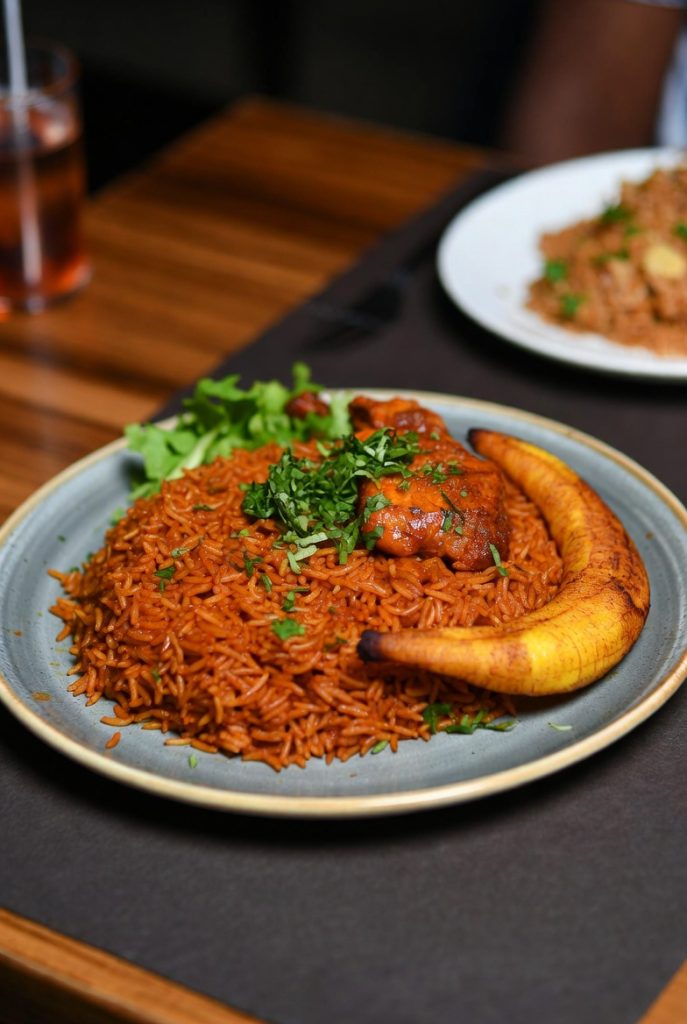
Jollof rice is arguably Nigeria’s most famous dish, but its roots trace back to the Senegambian region, specifically the Wolof people of Senegal. Originally made with millet, the dish evolved over centuries, incorporating rice and a rich blend of tomatoes, peppers, and spices. In Nigeria, Jollof has become a cultural staple, with each region adding its own twist — smokier flavors in the West, spicier variations in the East.
Egusi Soup – The Melon Seed Magic
Egusi soup is a thick, hearty stew made from melon seeds, leafy greens, and meat or fish. Its origins lie in the Yoruba and Igbo cuisines, though similar versions appear across West Africa. Traditionally, egusi was a high-protein meal, sustaining communities through agricultural cycles. Today, it remains a centerpiece at family gatherings and festive occasions.
Suya – The Street Food Legend
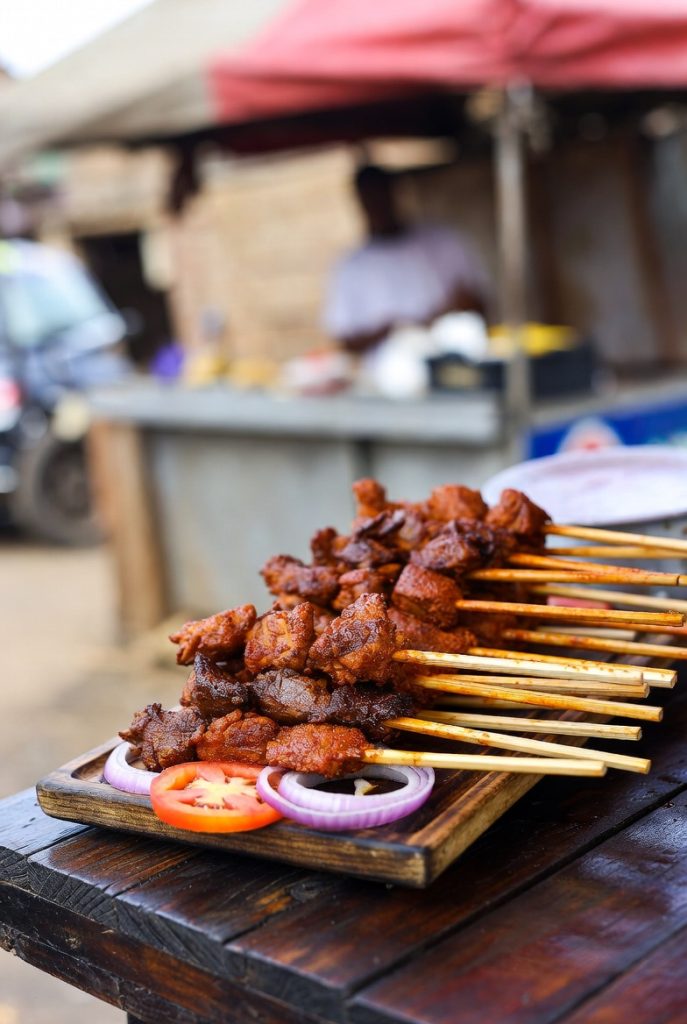
Suya, spicy grilled meat skewers, emerged from the Northern parts of Nigeria, particularly among the Hausa people. Often sold by street vendors at night, suya became a social food — something shared over conversations under starlit skies. Its signature peanut spice mix, called yaji, is the heart of its flavor and a nod to traditional Northern Nigerian culinary practices.
Pounded Yam and Yam Fufu – The Staple Powerhouse
Yams have been cultivated in Nigeria for thousands of years, particularly in the Middle Belt and Eastern regions. Pounded yam (iyan in Yoruba) and yam fufu (commonly called fufu in Igbo) became symbols of sustenance and celebration. Traditionally, pounding yam was a communal activity, bringing families together and turning cooking into a ritual.
Pepper Soup – The Healer’s Comfort

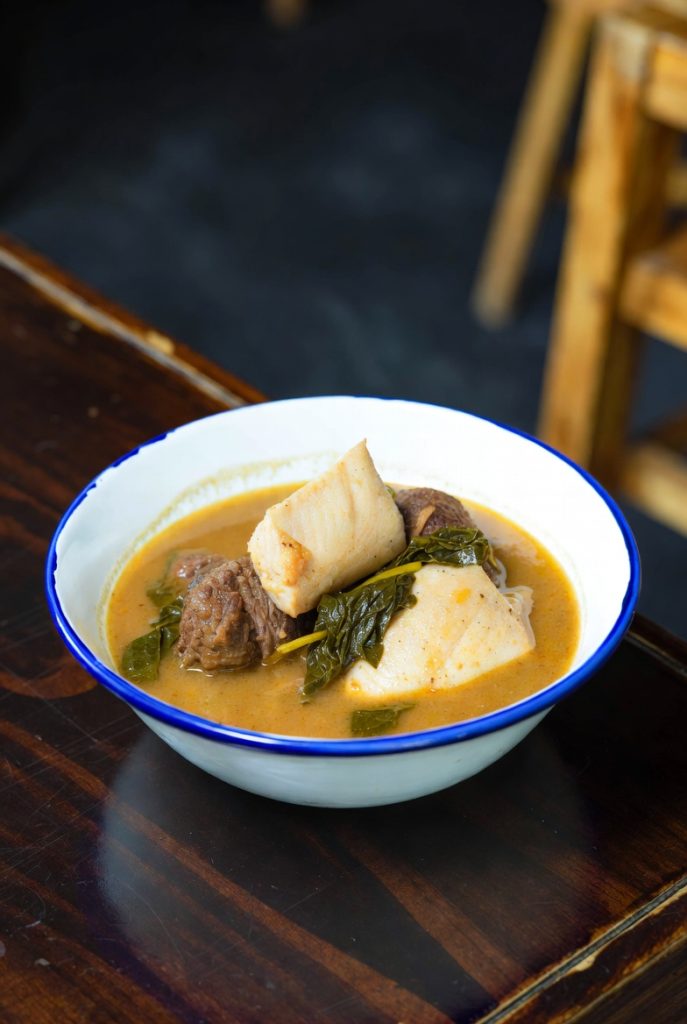
Pepper soup is more than just a spicy broth; it’s considered medicinal in many Nigerian communities. Made with local spices and often goat, fish, or chicken, this dish has long been used to aid digestion, recover from illness, or welcome guests warmly. Its deep roots in Nigerian herbal traditions reflect a fusion of culinary and cultural wisdom.
Why These Dishes Matter
Every spoonful of Nigerian food carries centuries of history. These dishes are more than sustenance; they’re expressions of identity, unity, and resilience. By enjoying them, we are not just tasting flavors but also partaking in stories that connect generations.
Next time you savor jollof rice or indulge in a spicy suya, remember: you’re biting into history. And in Nigeria, history is delicious.