Ibadan – We often treat the brain as the executive command centre. But emerging research paints a different picture—the gut is quietly running the show. From mood and focus to immunity and decision-making, your digestive system is influencing far more than you think.
If you’ve been operating on autopilot, it’s time to re-evaluate who’s really in charge.
The Gut–Brain Axis: The Invisible Power Line

The gut and brain aren’t working in isolation. They’re connected by a high-speed communication network known as the gut–brain axis—a bi-directional channel that sends constant signals through:
The vagus nerve
Hormones
Neurotransmitters
Immune pathways
When your gut is inflamed, unbalanced, or stressed, the brain gets the memo instantly. And the results show up in your mood, energy levels, cravings, and even your productivity.
Your Gut Has a ‘Team’ of Its Own
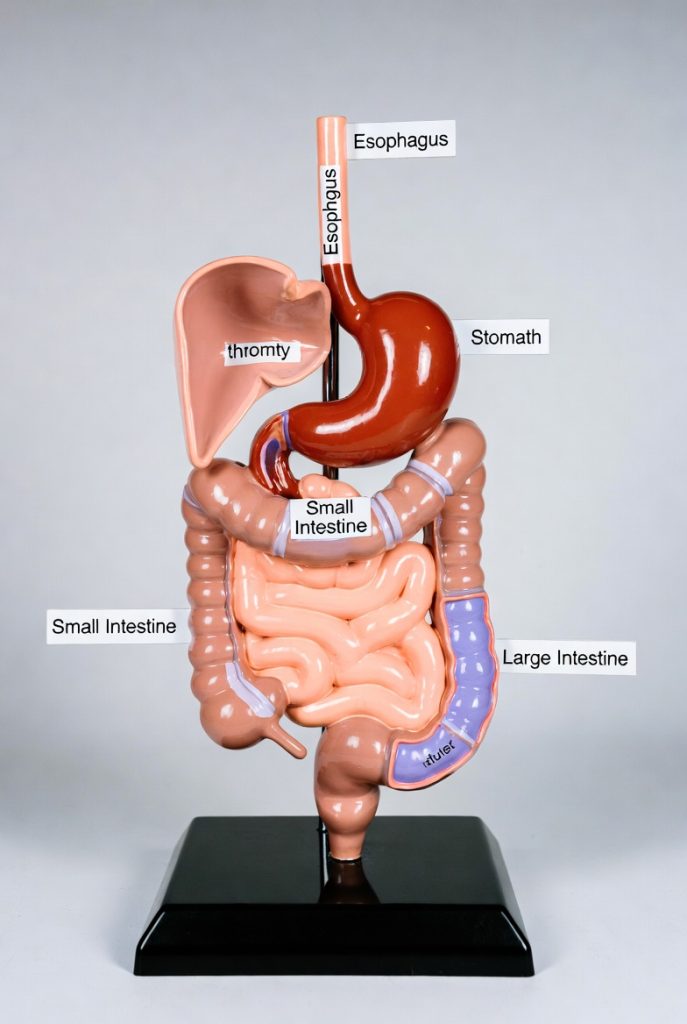
Inside the gut lives a powerful ecosystem—the microbiome.
Think of it as a workforce of trillions of bacteria, fungi, and microbes driving daily operations:
Regulating digestion
Producing vitamins
Strengthening immunity
Influencing mood and cognitive performance
When this workforce is diverse and healthy, your entire system operates at peak performance. When it’s not? Expect operational breakdowns.
Mood, Stress & Emotional Stability: The Gut’s Hidden KPIs
About 90% of your serotonin—the “feel-good chemical”—is produced in the gut.
That means irritability, anxiety, mood swings, and brain fog often start from the stomach.
A compromised gut sends negative signals to the brain, triggering:
Heightened stress response
Poor emotional regulation
Low motivation
Mental fatigue
This is why a bad meal or digestive discomfort can derail your entire day.
Digestion and Decision-Making: Yes, They’re Connected
When the gut is inflamed or overloaded, the brain shifts into survival mode.
Your cognitive resources drop, making it harder to:
Think strategically
Process information
Maintain attention
Make high-quality decisions
In corporate terms: a stressed gut will tank your executive performance.
Immunity: Your Personal Firewall Lives in the Gut
Over 70% of your immune cells reside in the digestive tract.
If the gut microbiome is weak, your defence systems become compromised—leading to frequent infections, allergies, fatigue, and chronic inflammation.
A strong gut equals a resilient body.
Signs Your ‘CEO’ Is Underperforming
Watch for these red flags:
Bloating or gas
Frequent fatigue
Unpredictable moods
Sugar cravings
Brain fog
Skin breakouts
Sleep issues
They’re not random; they’re internal memos from your gut.
How to Support Your Gut–Brain Alignment
Here’s the strategic playbook for a healthier gut:
Prioritise fibre-rich foods
Beans, vegetables, whole grains, fruits—your microbiome feeds on them.
Add fermented foods
Yogurt, kefir, kimchi, ogi, kunu. These boost healthy bacteria.

Reduce ultra-processed foods
They damage the gut lining and encourage harmful microbes.
Hydrate aggressively
Water keeps digestion moving and toxins flushing.
Manage stress intentionally
Meditation, exercise, quiet time—stress disrupts your microbiome instantly.
Sleep like your life depends on it
Because it does. Poor sleep triggers gut imbalance.
Move your body daily
Exercise improves microbial diversity and enhances brain function.
Bottom Line
If the brain is the board chairman, the gut is the operational CEO—running daily processes, influencing strategic outcomes, and driving overall performance. When both are aligned, you get clarity, resilience, and high-output energy.
Nurture your gut, and your whole life operates on a higher bandwidth.