Ibadan – A full physical examination is not a formality. It’s a strategic health audit. Think of it as your annual performance review—except this one determines how well your body can sustain your lifestyle, workload, and long-term ambitions.
Ignoring it doesn’t make problems disappear. It only delays detection—and raises the eventual cost.
What Exactly Is a Full Physical Examination?
A full physical examination is a comprehensive assessment carried out by a healthcare professional to evaluate your overall health status. It combines observation, questioning, and basic clinical tests to detect early warning signs—often before symptoms show up.
It’s preventive medicine in action.
What Happens During a Full Physical Examination?
Vital Signs Check
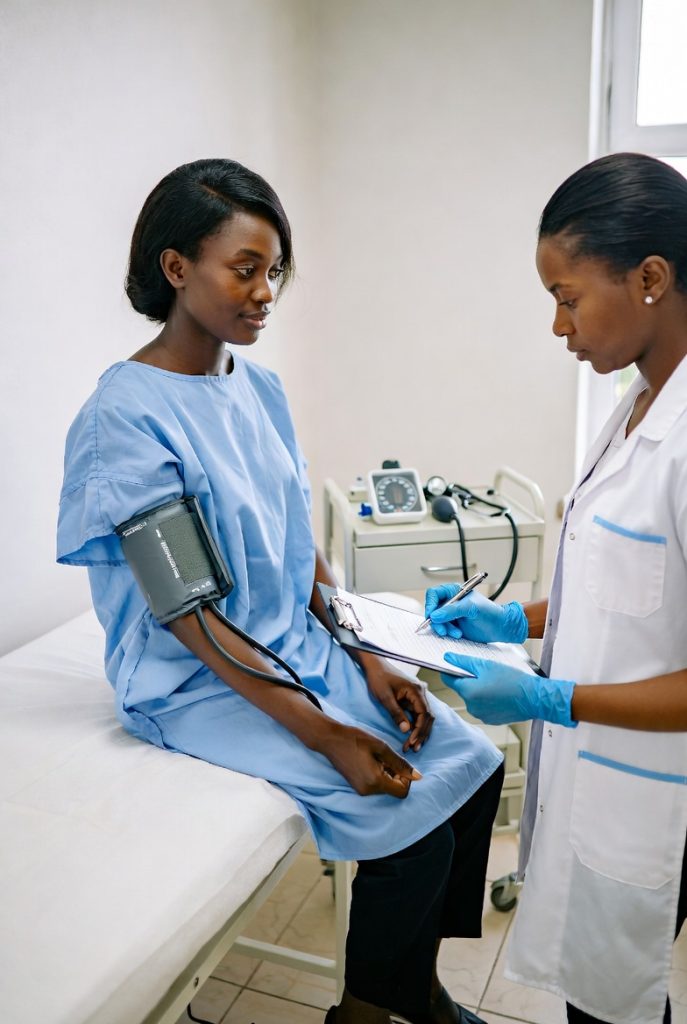
This is your health dashboard:
Blood pressure
Heart rate
Respiratory rate
Body temperature
Abnormal readings can flag cardiovascular issues, infections, or metabolic stress.
Weight, Height & BMI Assessment
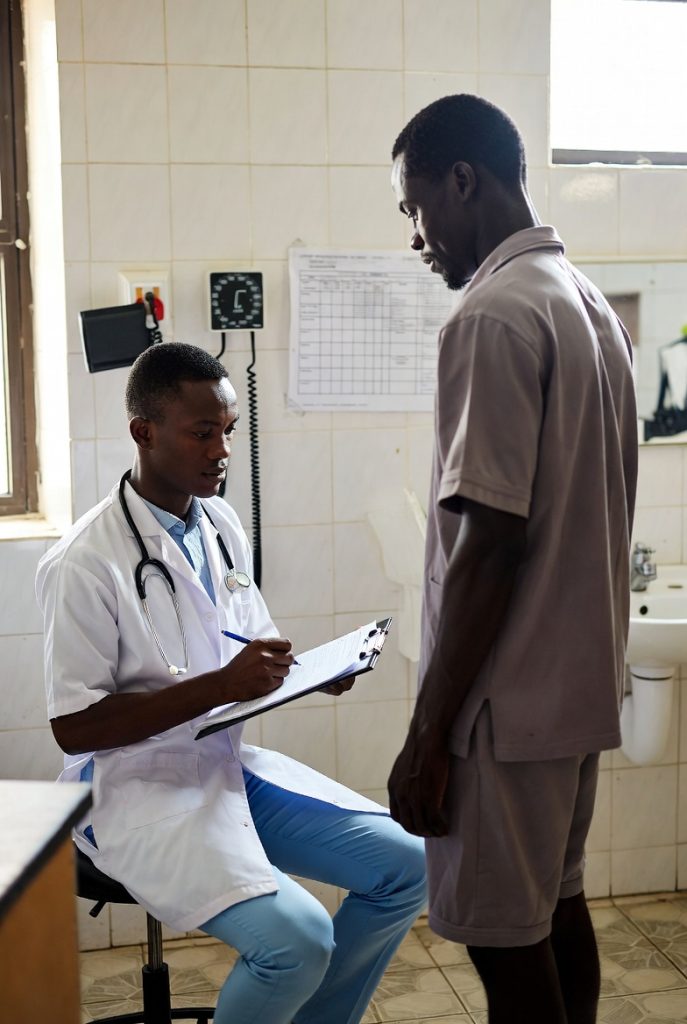
These metrics help assess:
Obesity or unhealthy weight loss
Risk for diabetes, hypertension, and heart disease
It’s not about aesthetics—it’s about metabolic efficiency.
Cardiovascular Examination
Using a stethoscope, the doctor checks your heart and lungs for:
Irregular heartbeats
Murmurs
Breathing abnormalities
Early detection here can prevent life-threatening outcomes later.
Abdominal Examination
Your abdomen is checked for:
Tenderness
Swelling
Organ enlargement
This gives insight into liver health, digestion, and internal organ function.
Head, Neck, Eyes, Ears & Throat Check
This segment screens for:
Vision or hearing issues
Thyroid enlargement
Infections
Neurological red flags
Small abnormalities here often point to bigger systemic issues.
Skin & Musculoskeletal Assessment
The doctor looks for:
Skin changes, rashes, or lesions
Joint stiffness
Muscle weakness or posture issues
These can signal autoimmune conditions, deficiencies, or chronic inflammation.
Medical History & Lifestyle Review
This is where context meets data. You’ll discuss:
Past illnesses and surgeries
Family medical history
Diet, exercise, sleep, stress
Alcohol, smoking, and medication use
Honesty here increases diagnostic accuracy.
Why a Full Physical Examination Matters
Skipping annual checkups is a reactive strategy—and it fails long-term. Regular physical exams help:
Detect diseases early
Track health trends over time
Reduce medical costs
Improve quality of life
Increase longevity
In simple terms: early detection equals better outcomes.
How Often Should You Do It?
Adults: At least once a year
People with chronic conditions: As advised by a doctor
Women and men over 40: Annually, without excuses
Bottom Line
A full physical examination isn’t about finding something wrong—it’s about confirming what’s right and catching what’s not early enough to fix. In a world where health crises are expensive and disruptive, prevention is the smartest investment you can make.