Walk into many classrooms today and you’ll see students reciting facts, formulas, and definitions with impressive accuracy. Yet ask them to explain why something works, apply it to a real-life situation, or think beyond the textbook—and the silence is loud.
This is the quiet crisis in education: students are passing exams without truly learning.
The Difference Between Learning and Memorisation
Memorisation is about storage.
Learning is about understanding.
Memorisation allows a student to recall information long enough to pass a test. Learning equips them to apply knowledge, solve problems, and think critically long after the exam is over.
When education prioritises memorisation, it produces graduates who know what to say—but not how or why.
An Exam-Driven Education System
In many schools, success is measured by grades alone. The result? Teachers teach to the test, students study to pass, and curiosity takes a back seat.
Questions like:
“Will this come out in the exam?”
“Is this important?”
become more relevant than genuine understanding.
Fear of Failure Kills Curiosity
When mistakes are punished instead of explored, students learn one thing fast: don’t try something new.
Learning requires experimentation. Memorisation feels safer.
So students choose recall over reasoning.
Overcrowded Classrooms and Rigid Teaching Styles
In packed classrooms, there’s little room for discussion, debate, or individual thinking. Teachers rush through syllabuses, relying on rote teaching methods that prioritise speed over depth.
Students become passive recipients, not active participants.
Lack of Real-Life Application
Many students can define concepts but cannot connect them to the real world.
Without context, knowledge feels abstract and forgettable. Learning sticks when students see how it applies to life beyond the classroom.
Poor Study Techniques
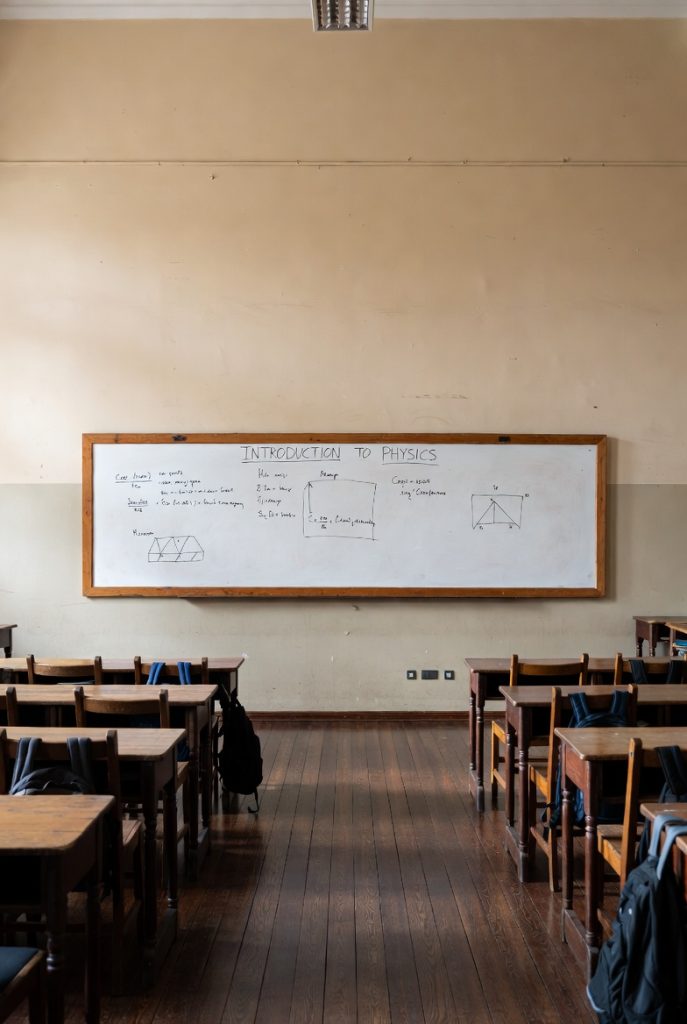
Many students are never taught how to learn.
They reread notes, cram overnight, and rely on repetition—methods that create short-term memory, not long-term understanding. Techniques like active recall, teaching others, and problem-solving are rarely introduced.
Pressure from Parents and Society
“Well done” often means “you scored high,” not “you understood deeply.”
When praise is tied only to results, students optimise for marks—not mastery.
Digital Distractions Without Digital Skills
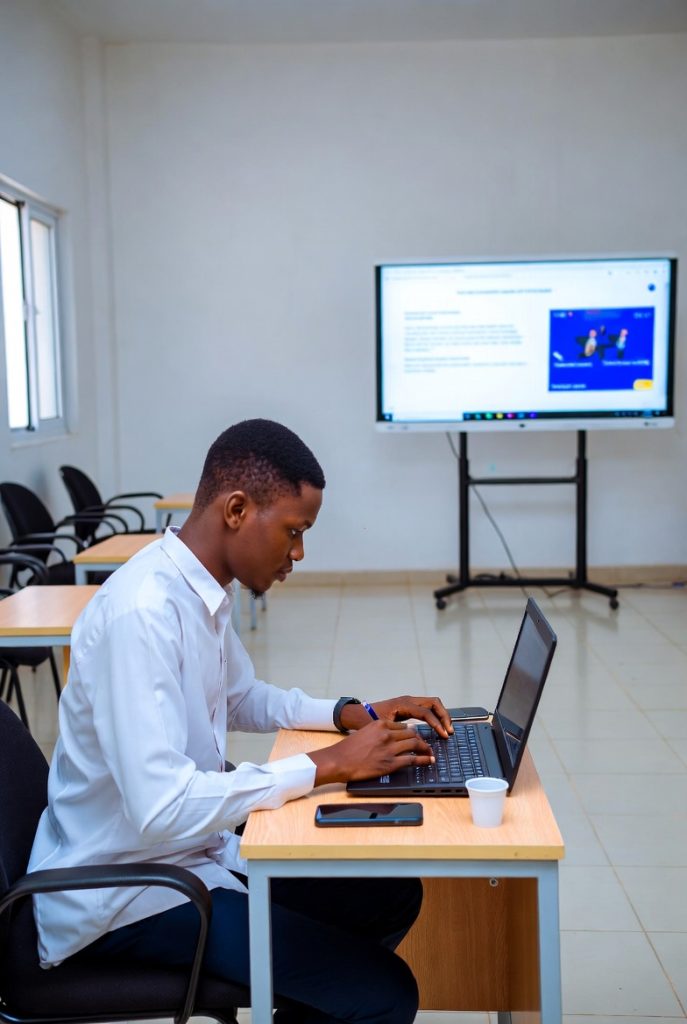
Students have access to unlimited information but lack the skills to process, analyse, and question it. Scrolling replaces thinking; copying replaces comprehension.
Technology, without guidance, becomes another memorisation tool.
What Real Learning Should Look Like
True learning happens when students:
Ask “why” and “how,” not just “what”
Apply ideas to solve real problems
Connect concepts across subjects
Make mistakes and learn from them
Teach others what they’ve learned
How We Fix the Problem
Shift from exam-only assessment to project-based learning
Encourage classroom discussions and critical questioning
Teach students how to study effectively
Reward thinking, not just correctness
Train teachers to facilitate learning, not just deliver content
Final Thought
Memorisation creates good test-takers.
Learning creates thinkers, innovators, and leaders.
If education is meant to prepare students for life—not just exams—then it’s time we stop celebrating recall and start nurturing understanding.