Ibadan – Not long ago, Nigerian music was dismissed as local noise—street soundtracks for danfo rides, weddings, and roadside parties.
Today, it fills stadiums, tops global charts, and dictates pop culture worldwide. This didn’t happen by accident. It was strategy, grit, timing—and cultural confidence.
This is the story of how Nigerian sounds moved from the streets to the world stage.
The Street Was the Original Lab
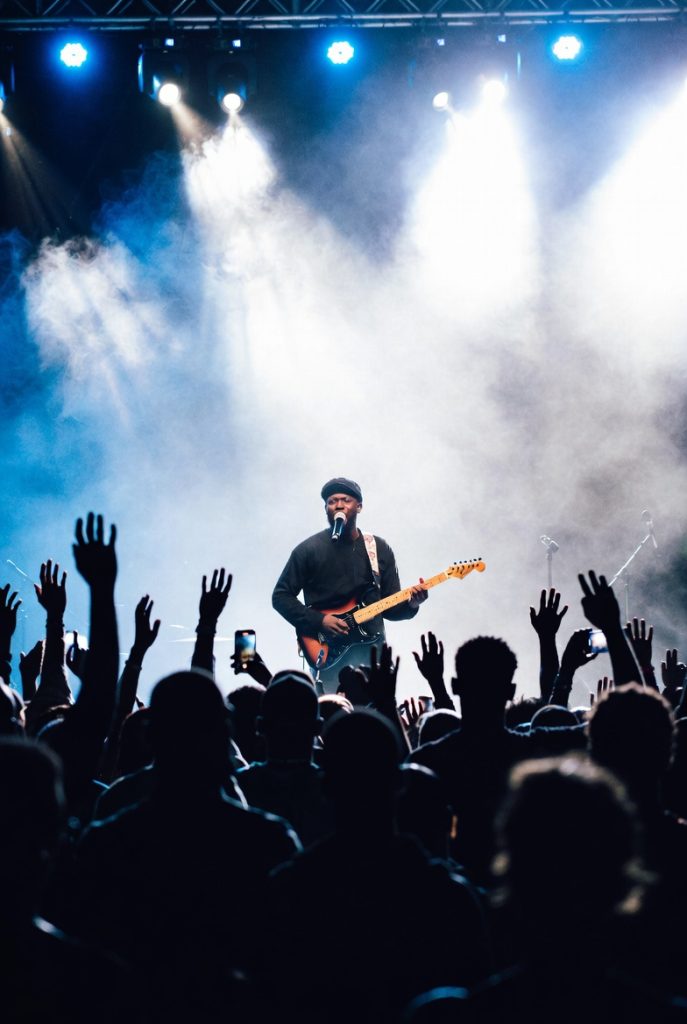
Before playlists, before algorithms, Nigerian music was tested on the streets—clubs, buses, markets, campus hostels. If a song didn’t move bodies, it didn’t survive.
Genres like Afrobeats weren’t engineered in studios for global appeal. They were born from lived experiences—joy, hustle, love, chaos. The rawness was the product.
That authenticity became the competitive advantage.
Sound Identity: Familiar but Unapologetically African
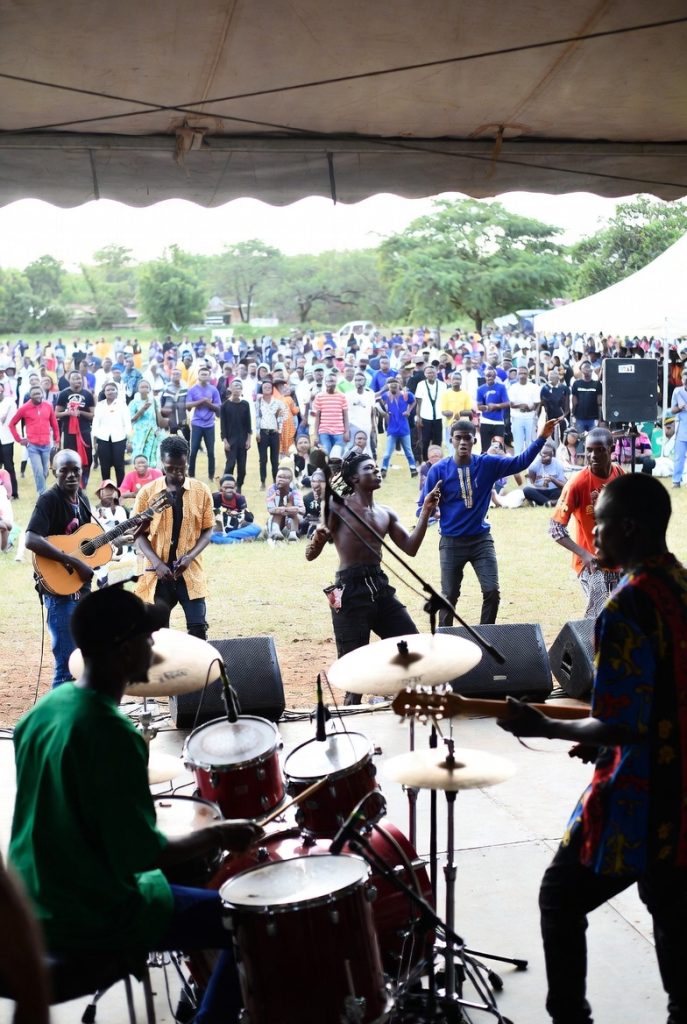
Nigerian music cracked the global market because it didn’t try to sound Western—it sounded itself.
Indigenous languages, call-and-response hooks, layered percussion, highlife influences, and street slang stayed intact. The sound was familiar enough to vibe with, yet distinct enough to stand out.
Global audiences weren’t just listening—they were discovering a culture.
The Diaspora Did the First Export
Long before global radio caught on, Nigerian immigrants carried the sound abroad—house parties in London, clubs in Toronto, student events in New York.
Those spaces became informal distribution hubs. The diaspora didn’t dilute the sound; they amplified it. Once international DJs and tastemakers took notice, momentum became unstoppable.
Artists Who Turned Momentum into Movement
When Nigerian artists stopped waiting for Western validation and built their own ecosystems, the shift became permanent.
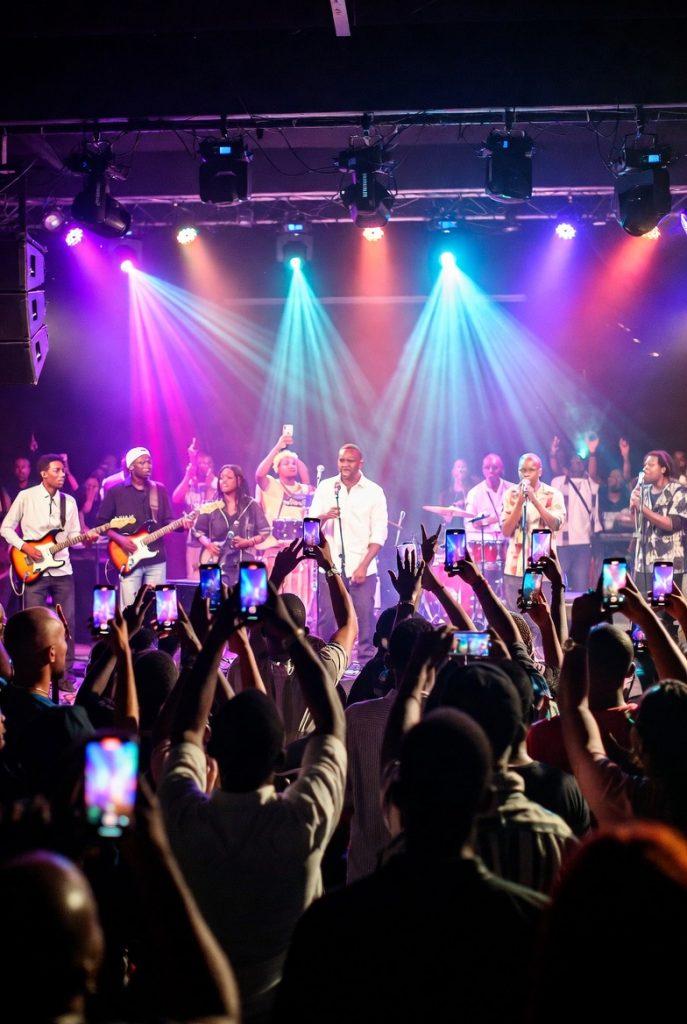
Wizkid shut down the O2 Arena—twice.
Burna Boy sold out Madison Square Garden and Wembley.
Davido turned hit singles into global collaborations.
Tems redefined what a Nigerian female voice could sound like globally.
They weren’t just charting—they were rewriting perception.
Streaming Platforms Changed the Rules
Gatekeepers used to decide who went global. Streaming flattened the hierarchy.
With platforms like Spotify, Apple Music, and YouTube, Nigerian artists bypassed traditional barriers. Data replaced bias. Demand replaced permission.
If the world liked it, the numbers proved it.
TikTok Turned Songs into Culture
Global takeover wasn’t driven by radio—it was driven by virality.
Dance challenges, memes, short clips, and influencer adoption turned Nigerian songs into global rituals. People didn’t need to understand the lyrics; the rhythm translated emotion instantly.
Music stopped being consumed—it started being participated in.
The Business Got Smarter
Behind the vibe came structure:
Better management
International publishing deals
Strategic collaborations
Touring as a revenue engine
Nigerian music stopped chasing deals and started negotiating them. Ownership became a conversation. Longevity became the goal.
Why the World Didn’t Just Listen—It Adopted
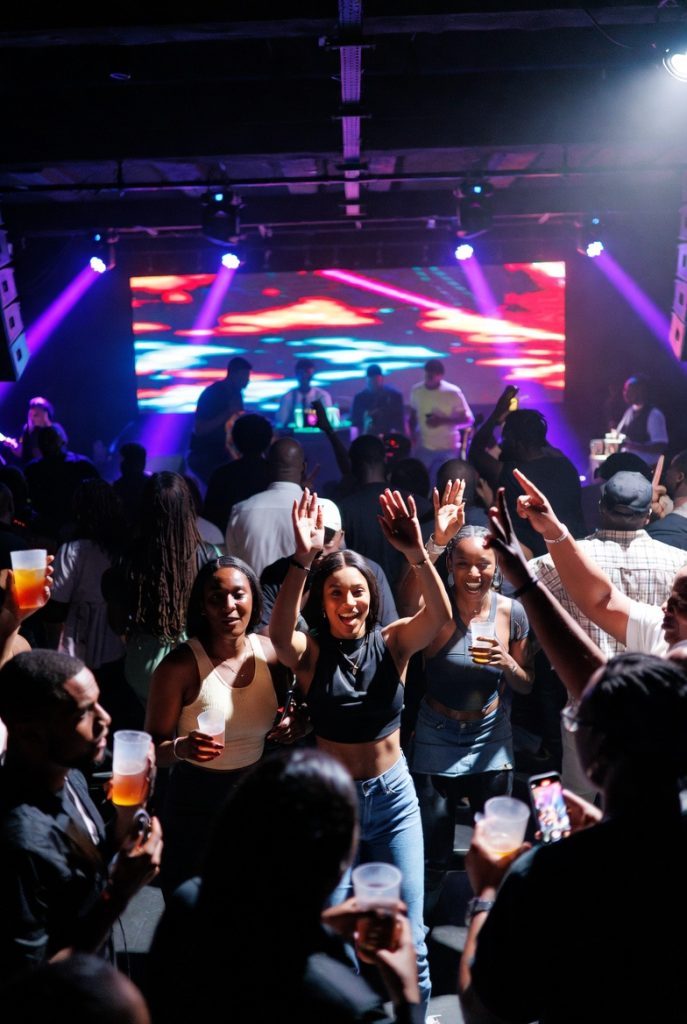
In a global market tired of predictable pop, Nigerian music offered:
Joy without apology
Rhythm without rules
Identity without dilution
It wasn’t begging to be accepted. It arrived fully formed.
The Bottom Line
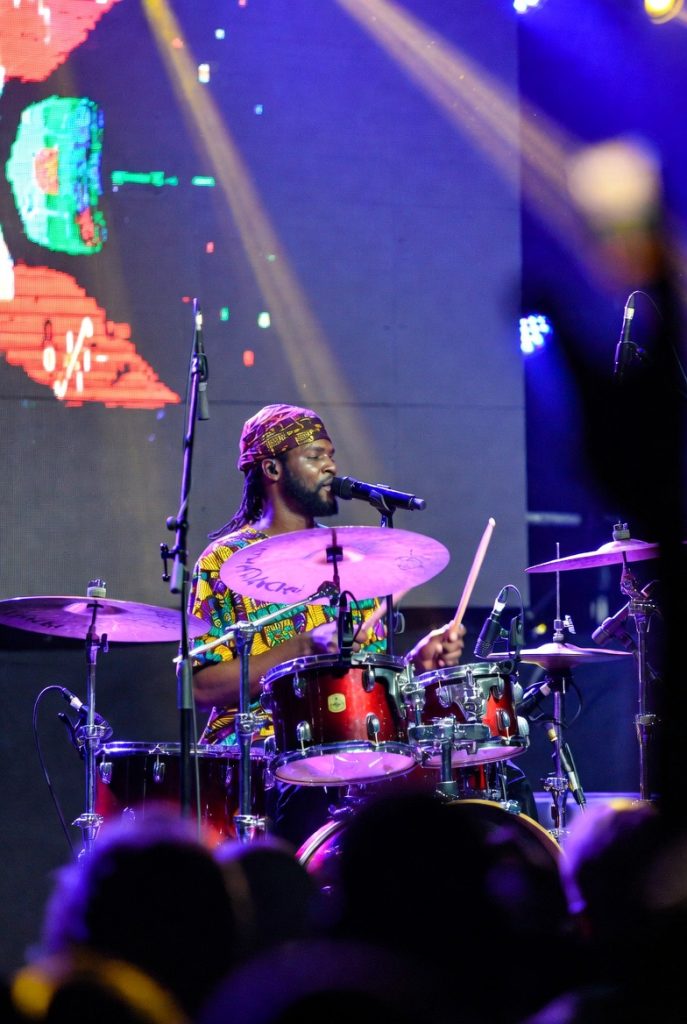
Nigerian sounds didn’t “break into” the global scene—they forced it to expand.
What started as street music is now a global export, a cultural soft power, and a blueprint for how authenticity outperforms imitation.
And the most important part?
This wave is still early.
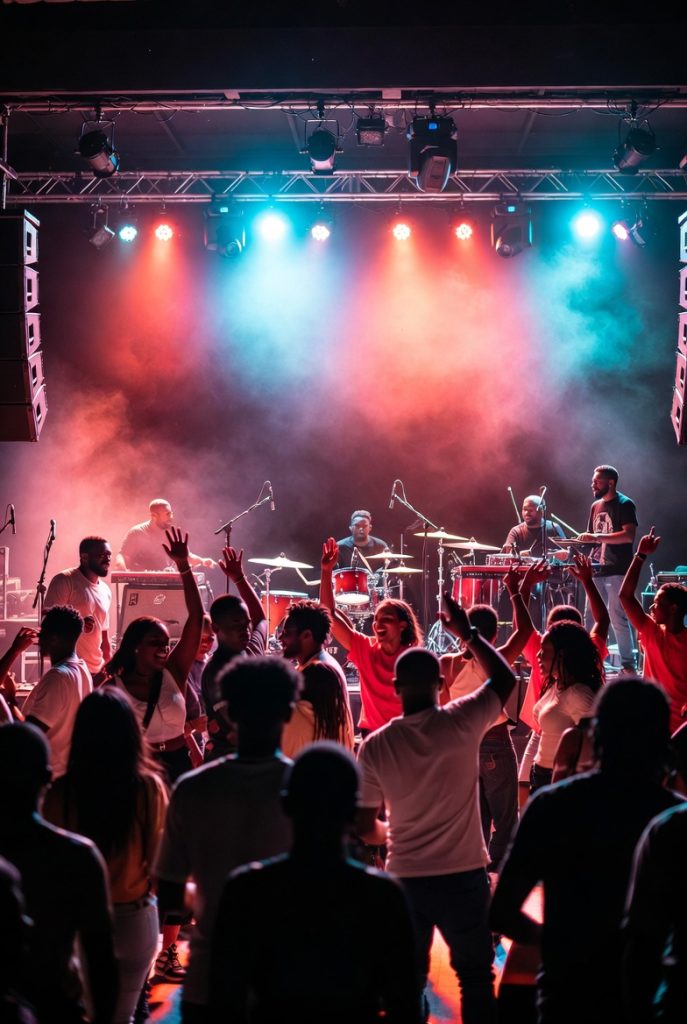
The streets are still producing.
The world is still listening.
And Nigerian sound? It’s no longer a guest—it’s a global resident.