Ibadan – Let’s be clear: Nigerian travel is still being marketed on repeat. Same cities. Same angles. Same tired narratives. Meanwhile, some of the most compelling destinations in the country are quietly delivering premium experiences—without the noise, crowds, or inflated costs.
2026 is the year to travel smarter, not louder. If you’re serious about rest, culture, and real value, these are the Nigerian destinations that deserve a spot on your calendar—before everyone else catches on.
Idanre Hills, Ondo State – Where History Meets Altitude
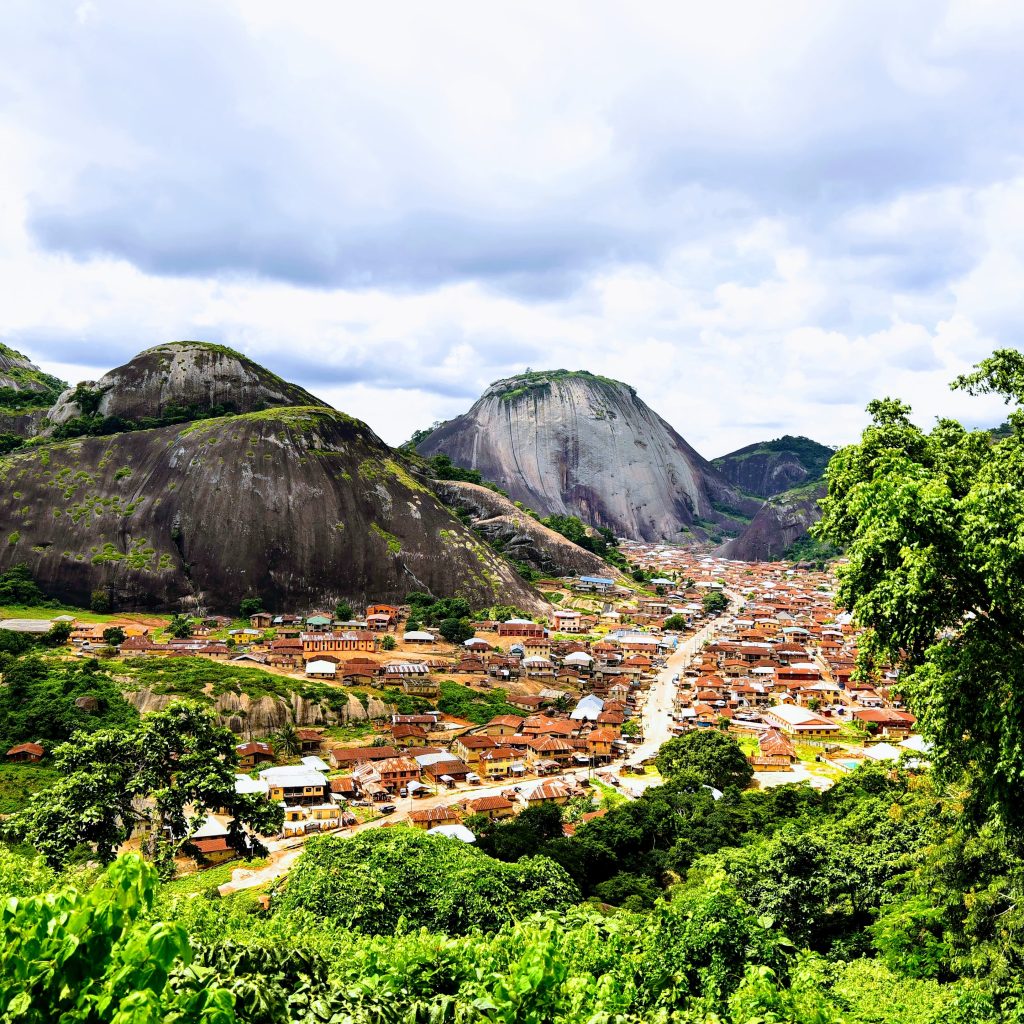
Idanre Hills isn’t new, but it’s criminally underleveraged. This UNESCO-listed landscape offers ancient settlements, breathtaking stair climbs, and panoramic views that rival international hiking destinations.
Why it works in 2026:
Low tourist traffic
Rich cultural storytelling
Ideal for wellness, hiking, and digital detox travel
This isn’t a casual sightseeing trip—it’s experiential travel with depth.
Ogbunike Caves, Anambra – Spiritual, Cultural, Underrated
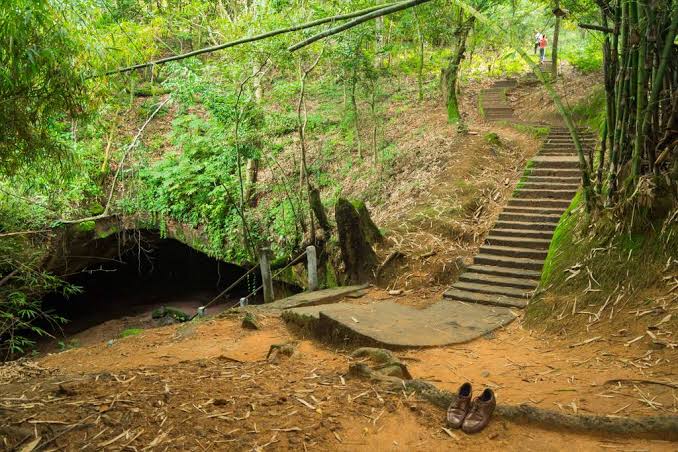
This is one of the most fascinating natural sites in West Africa, yet it barely gets strategic promotion. The caves combine mythology, nature, and history in a way few destinations can.
Why it works:
Deep cultural significance
Perfect for heritage tourism
High visual payoff for content creators
If you want travel that educates, this is a strong play.
Ikogosi Warm & Cold Springs, Ekiti – Nature’s Flex

Two springs—one warm, one cold—flowing side by side. Still undefeated as a concept. Yet, it remains off the mainstream travel radar.
Why it works:
Wellness-focused destination
Ideal for retreats and slow travel
Strong domestic tourism potential
With the right infrastructure push, Ikogosi could rival global spa destinations.
Doma Dam & Hills, Nasarawa – Quiet Luxury Without the Price Tag

Nasarawa is Nigeria’s sleeper state for nature tourism. Doma Dam offers serene landscapes, rolling hills, and peace that money usually can’t buy.
Why it works:
Perfect for couples and solo travelers
Great for photography and reflection
Minimal commercialization
This is where you go when Lagos burnout hits hard.
Awhum Waterfall & Cave, Enugu – Still Untapped
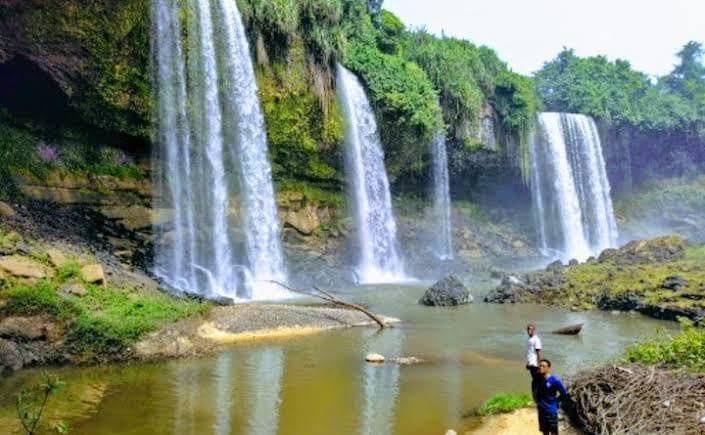
Awhum combines waterfalls, caves, and spiritual history in one location. Yet, it remains largely undocumented in mainstream travel conversations.
Why it works:
Faith-based and adventure tourism crossover
Great for group trips
Strong potential for eco-tourism development
It’s raw, authentic, and still untouched by over-tourism.
Kura Falls, Plateau – Northern Nigeria’s Quiet Asset
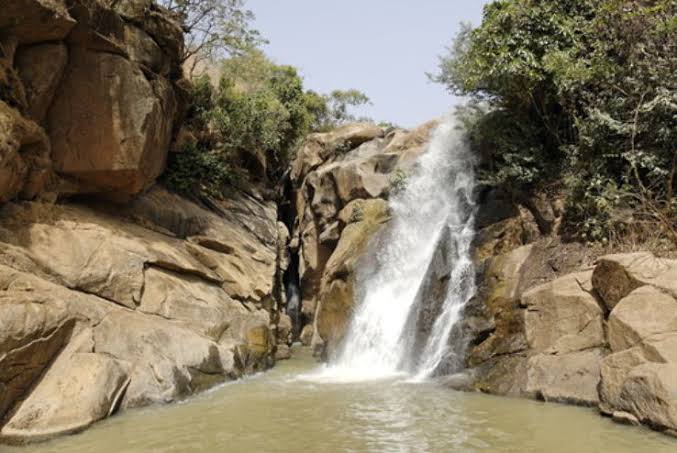
Northern tourism is often overlooked due to perception, not reality. Kura Falls challenges that narrative with stunning natural beauty and calm surroundings.
Why it works:
Cultural immersion opportunity
Expands the Nigerian travel narrative
Low-cost, high-impact experience
Travel needs balance—and the North has stories worth telling.
Oron Museum, Akwa Ibom – Culture Without Crowds

While Uyo gets attention, Oron stays in the background, housing one of Nigeria’s most important cultural museums and a peaceful coastline.
Why it works:
Deep historical relevance
Coastal experience without chaos
Ideal for culture-first travelers
This is travel with substance, not spectacle.
The Bigger Picture
Domestic tourism in Nigeria isn’t underperforming—it’s under-positioned. The problem isn’t lack of destinations; it’s lack of intentional storytelling, infrastructure prioritization, and policy support.
For travelers, this creates opportunity.
2026 is the year to:
Travel intentionally
Spend locally
Discover quietly
Experience deeply
Before algorithms and influencers flood these places, go now.
Final Take
If your idea of travel is just aesthetics, stick to the obvious spots. But if you want meaning, value, and originality, Nigeria’s hidden gems are your unfair advantage.
Travel more in 2026—but travel better.