Ibadan – The 2027 Oyo State governorship election is beginning to move from the stage of political speculation into a more defined contest. With Governor Seyi Makinde constitutionally limited to two terms, the central question is no longer whether there will be a succession race, but who can build the coalition required to succeed him.
INEC has scheduled the Oyo governorship and State House of Assembly elections for February 6, 2027.
At present, several candidates stand out because of their party platforms, political experience, existing networks and the issues surrounding their emergence.

The major names in the race:
Senator Sharafadeen Alli — APC
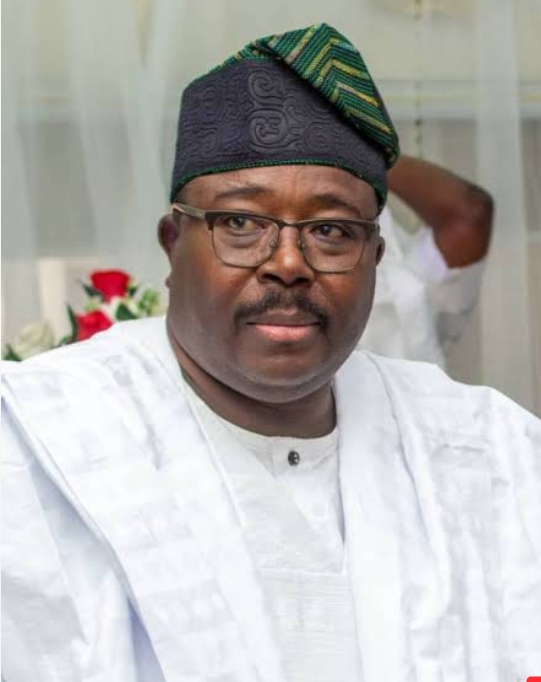
Senator Sharafadeen Alli is the All Progressives Congress candidate. He currently represents Oyo South Senatorial District in the National Assembly and was formally unveiled by the Oyo APC in September.
His candidacy gives the APC an experienced politician with an established presence in Ibadan and the wider Oyo political space.
But the APC’s story is also about party reconciliation. The party had a crowded field during its nomination process, with 11 aspirants reported to have sought the ticket.
The question for Alli therefore goes beyond securing the nomination. The party will have to translate the support of its various aspirants and structures into a unified campaign.
For the APC, the 2027 election represents another opportunity to challenge the PDP’s hold on the Oyo governorship after eight years of opposition.
Abimbola Adekanmbi — APM
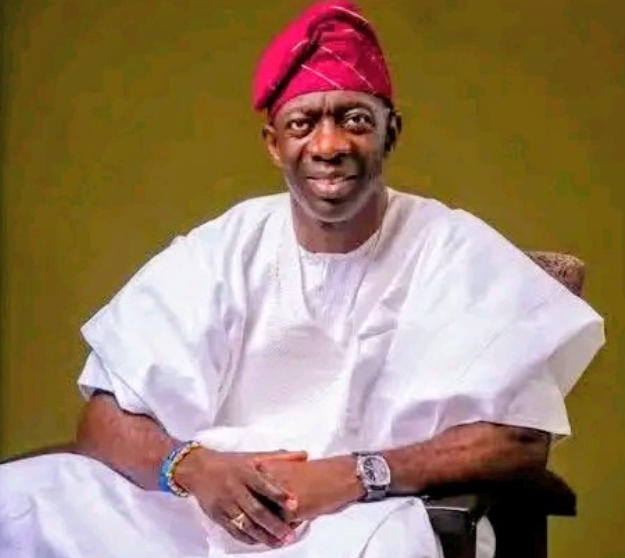
Former Oyo Commissioner for Finance Abimbola Adekanmbi occupies a particularly interesting position because Governor Seyi Makinde publicly identified him as his preferred successor.
Makinde announced Adekanmbi as his preferred successor in May 2026 and described him as someone capable of continuing the administration’s work. Adekanmbi is contesting on the platform of the Allied Peoples Movement.
Adekanmbi’s campaign therefore carries an obvious continuity question:
Can he inherit the political goodwill, structures and policy narrative associated with the Makinde administration while establishing an identity of his own?
That question has already become part of the campaign conversation. Adekanmbi has publicly rejected suggestions that he would simply operate as Makinde’s proxy, saying he intends to provide independent leadership if elected.
His background in finance also means economic management, investment and continuity are likely to feature prominently in how his candidacy is presented.
Barrister Gbolarumi Hazeem — PDP
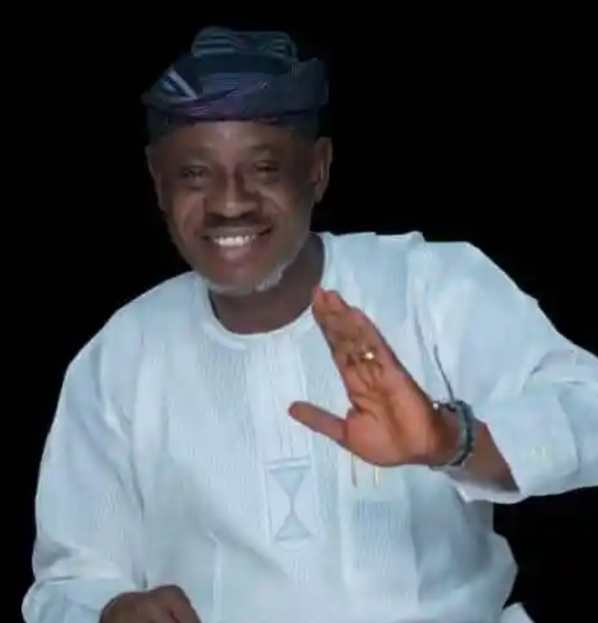
The Peoples Democratic Party has presented Barrister Hazeem Gbolarumi as its governorship candidate and formally issued certificates of return to its candidates in June.
Gbolarumi enters the race on the platform that currently controls the Oyo State government.
The PDP’s challenge is therefore interesting: how does the party differentiate its candidate from the incumbent administration while remaining connected to the political structure that has governed the state since 2019?
The answer could shape the PDP campaign.
The party’s internal dynamics also matter. Earlier in the succession process, several prominent PDP figures were being considered, including Speaker Adebo Ogundoyin, Adedeji Olajide, Nureni Adeniran, Debo Akande and Bimbo Adekanmbi.
The emergence of Gbolarumi means those political networks and personalities become important components of the wider PDP equation.
Accord: Gudugudu versus Oriyomi
Perhaps the most complicated situation is unfolding within Accord.
Unlike the other major candidates, the issue here is not simply who has been nominated. It is which faction’s claim to the governorship ticket will ultimately stand.
On one side is Olakunle Moruf Busari, popularly known as Gudugudu.
On the other is popular Ibadan broadcaster and media entrepreneur Oriyomi Hamzat.
Both have claimed the Accord governorship ticket following competing primary processes in May.
Reports from the time indicate that Gudugudu was declared winner of one primary, while Oriyomi was declared winner of another. The competing claims subsequently generated a legal dispute.
The dispute is no longer merely an internal party disagreement.
In August, Gudugudu approached the Federal High Court in Ibadan seeking an order to remove Oriyomi’s name from INEC’s records and replace it with his own.
And as of September 2026, the matter remains unresolved.
A Federal High Court hearing was adjourned to September 30, 2026, with competing claims over the validity of the ticket and even disagreement over legal representation for the party.
That makes Accord one of the most closely watched stories in the Oyo race.
The eventual resolution could determine whether the party enters the election with one candidate and a united structure or emerges from the dispute politically weakened.
Adegboyega Adegoke — ADC
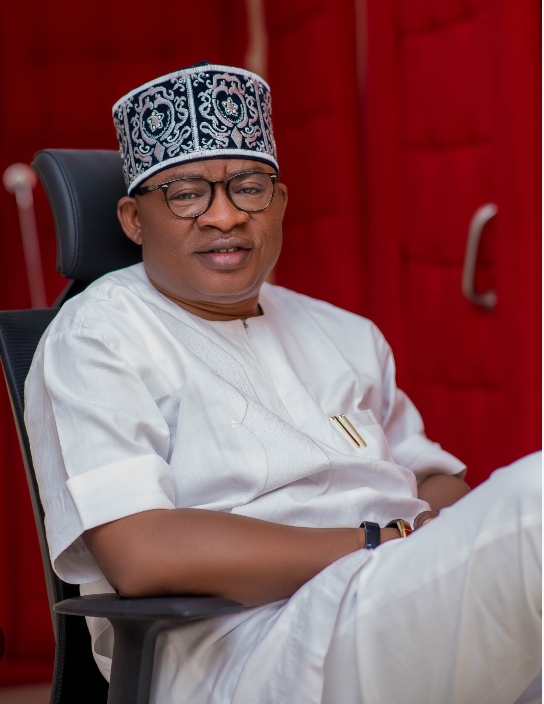
Olooye Adegboyega Taofeek Adegoke, FCA, is the name to watch under the African Democratic Congress.
The ADC’s emergence as an alternative platform adds another layer to the election, particularly because the party has attracted attention as part of the broader opposition realignment ahead of 2027.
Adegoke’s political proposition will have to move beyond the ADC’s national profile and connect directly with Oyo-specific concerns.
That means issues such as infrastructure, jobs, education, agriculture, urban development, healthcare, investment and the relationship between Ibadan and the rest of the state are likely to become important components of his campaign.
There has previously been a dispute over the ADC governorship primary, with Gbemileke Alagbe also emerging from a parallel process. However, the ADC has subsequently listed Taofeek Adegboyega Adegoke as its Oyo governorship candidate.
For the purposes of the emerging 2027 contest, Adegoke is therefore the ADC name around which the party’s campaign is currently being organised.
What will actually decide the Oyo contest?
Beyond the personalities, several issues could shape the election.
- The Makinde legacy
The 2027 election will inevitably be partly about the eight-year record of the Makinde administration.
Adekanmbi can campaign on continuity, while opposition candidates can make their case around what they believe should change.
That creates a fundamental political divide:
continuity versus a different direction - Ibadan versus the wider Oyo State
Ibadan’s enormous population and political importance make the metropolis indispensable to any serious governorship campaign.
But Oyo is much bigger than Ibadan.
The Oke-Ogun, Ogbomoso, Oyo and Ibarapa zones will all matter, particularly when campaigns begin addressing agricultural development, roads, education, healthcare, security and economic opportunities outside the state capital.
The APC’s earlier list of aspirants itself illustrated this geographic spread, with contenders from Ibadan, Oke-Ogun and Ogbomoso. - Political structure
Governorship elections are not simply popularity contests.
Candidates need ward-level organisation, local government structures, polling-unit agents, mobilisation networks and the ability to maintain those structures throughout the election period.
This makes party unity particularly important.
The APC has publicly embarked on reconciliation after its primary, while the ADC’s unresolved candidate dispute demonstrates how internal divisions can become an electoral issue in themselves. - The economy and cost of living
By 2027, voters will also be looking closely at issues much closer to everyday life: employment, food prices, transport, housing, education, healthcare, electricity and opportunities for small businesses.
For Oyo, there is an additional economic question:
How can the state convert its agricultural, commercial, educational and real-estate potential into more jobs and investment?
That could become one of the most important areas of differentiation between the candidates.
The bigger question: Who succeeds Makinde?
The Oyo 2027 contest is developing around more than party labels.
It is becoming a contest between different political propositions:
APC: opposition and a return-to-power proposition under Sharafadeen Alli.
APM: continuity with the Makinde administration through Abimbola Adekanmbi.
PDP: retaining the governing political platform under Hazeem Gbolarumi.
Accord: an alternative platform under Oriyomi Hamzat or Gudugudu
ADC: an opposition alternative with Olooye Taofeek Adegboyega Adegoke.
The eventual shape of the election will depend heavily on how these parties resolve internal issues, build alliances and communicate their positions on the issues that matter to Oyo residents.
For voters, the more useful question may therefore not simply be “Who is popular?”
It is:
What does each candidate intend to do differently—or continue doing—and how do their records, experience and publicly stated programmes support those promises?
With the election still months away, the Oyo political landscape remains fluid. The candidate lists, party structures and campaign messages will become clearer as the electoral process advances.
For a state whose political history has repeatedly demonstrated the importance of alliances, personalities and regional calculations, 2027 could ultimately be decided as much by the strength of each candidate’s coalition as by the candidate’s name on the ballot.